



We generate and automate data that is useful for additive manufacturing and 3D printing and enables high efficiency in the 3D printing process. We place great emphasis on identifying cost-saving potential compared to conventionally manufactured parts by examining the parts throughout design, production, assembly, and warehousing—that is, by considering the entire life cycle of a part or assembly.
Design
Data for 3D printing
Advantages of 3D Printing in Design
An example from special machine construction
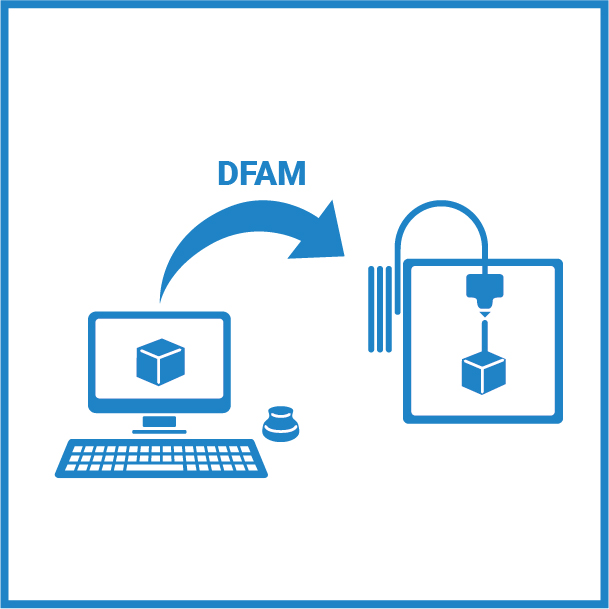
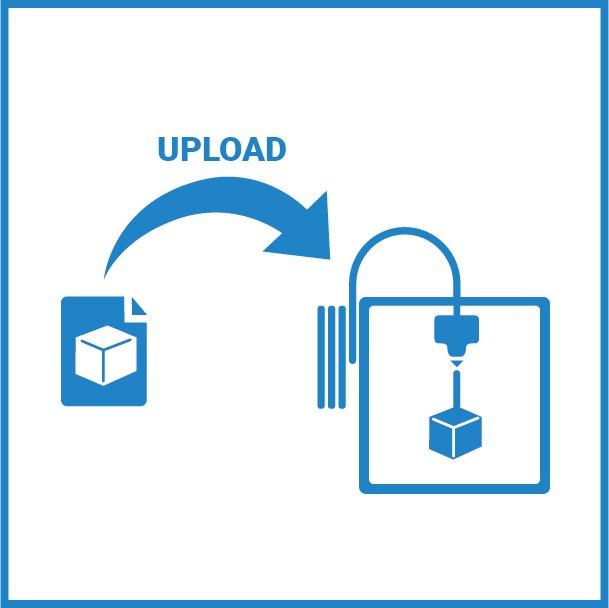
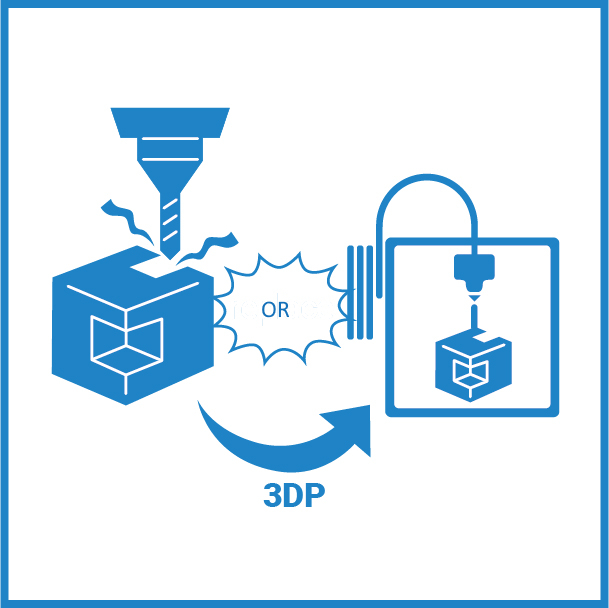
By redesigning for additive manufacturing from> 100 parts per year, there are advantages in terms of component and function integration with the aim of avoiding assembly and calibration work during commissioning. And what’s more, stocking is reduced by switching to a digital warehouse and delivery as needed!
There are other factors that justify 3D printing. A good example is fulfilling special requests for small quantities, for which 3D printing is particularly well-suited and does not require expensive tooling. Using this strategy, a customer was able to target new customer groups and, at the same time, carry out profitable projects through an automated pricing algorithm.
A customer shares her thoughts:
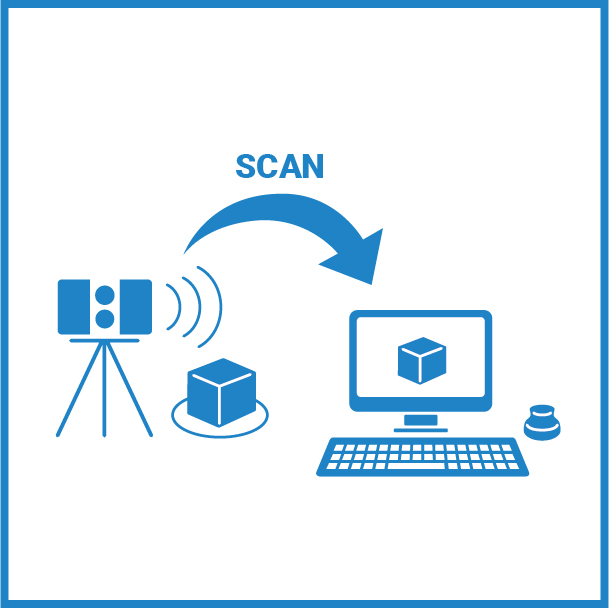
“Phanos helped us 3D scan a medical sensor device for training purposes, of which we only had a physical prototype. Phanos created the master patterns using a printing technique that produces very smooth surfaces, making them ideal for mass production via vacuum casting. Phanos also handled this process. Each copy was customized with a serial number.”
“Time management, reliability, and documentation were top-notch, and the parts have been in use for over three years now.”
Claudia Hooijmans, Managing Director of MIFO e.K.